
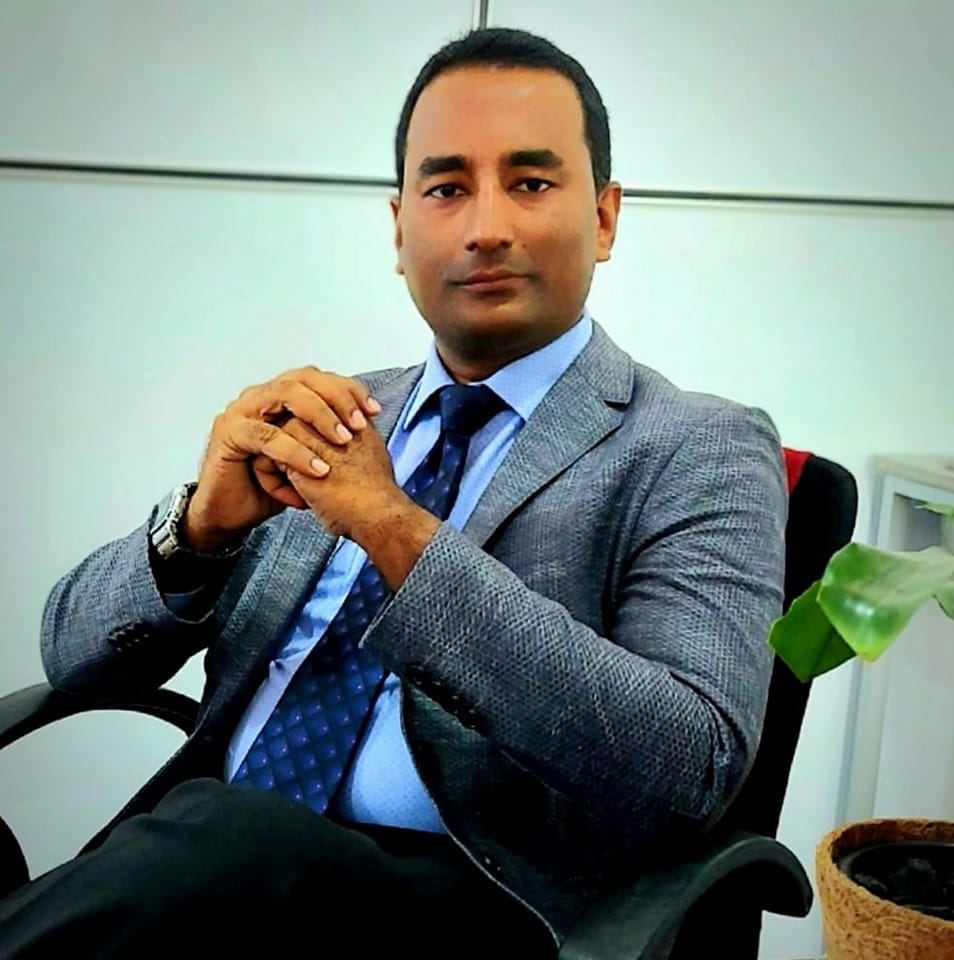
Dr. Milinda Abeykoon
MBBS (SL), PGPN (Boston / USA), e-Dearm (BAD/UK)
Educational Background & Early Achievements
Dr. Abeykoon began his educational journey at Kobeigane Sri Parakrama Madhya Maha Vidyalaya, later transitioning to Kuliyapitiya Central College following his success in the Grade 5 Scholarship exam. His exceptional balance of academic rigor and sports prowess earned him a prestigious place at Maliyadeva College.
During his time at Maliyadeva, he achieved a rare and historic milestone: receiving school “Colors” for sports while simultaneously securing admission to medical school. He earned his medical degree from the Faculty of Medicine, Ragama, graduating with a Distinction (A grade) in Internal Medicine.
Clinical Career & Specialized Training
Following his internship at Kuliyapitiya Teaching Hospital, Dr. Abeykoon served the community in Anamaduwa. He furthered his international expertise by obtaining a Postgraduate in Pediatric Nutrition (PGPN) from Boston University, USA.
During a significant six-year tenure at Anamaduwa Base Hospital , he was instrumental in elevating the facility into a leading state hospital. As a Senior Emergency Medical Officer, he demonstrated immense dedication during the 2019 emergency period and the COVID-19 pandemic, leading critical PCR testing operations. He later transferred to Dambadeniya Base Hospital to spearhead the Essential COVID Management Program.
Specializations & Clinical Practice
A recognized member of the British Dermatological Association, Dr. Abeykoon is completed their prestigious fellowship program. His specialized clinical focus includes:
Community Leadership & AANYA Clinic
Dr. Abeykoon is the founder of the AANYA Health Joint/Skin/Beauty Clinic in Uhumeeya, where he treats a diverse range of local and international patients via physical & online Consultations. Beyond clinical practice, he is a committed community advocate, frequently sharing health insights through national televisions, newspapers, and awareness programs at local schools and institutions, bridging the gap between specialized medicine and public health.